 English


 Accessories

Belt Styling
How to Match Belts with Different Outfits and Styles
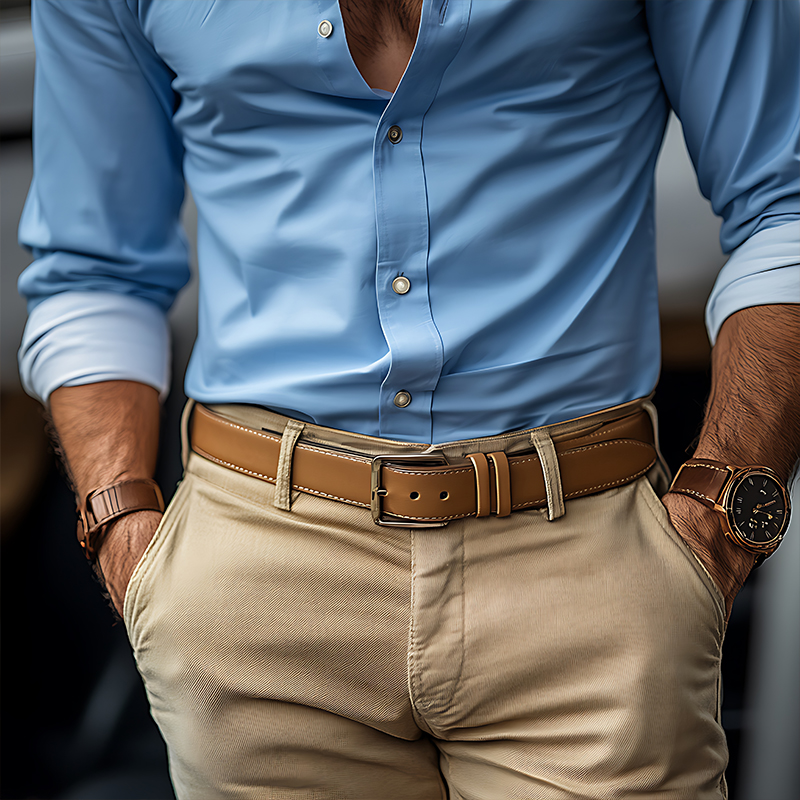
A belt is more than just an accessory for holding your trousers in place. It is a simple fashion detail that can bring an entire outfit together while adding shape, colour, and personality to your look. Whether you prefer casual clothing, formal outfits, dresses, or modern streetwear, the right belt can make a noticeable difference. Choosing a suitable design, colour, and width helps you create a balanced appearance for different occasions.
If you want to make better use of your accessories, here are some practical tips on how to match belts with different outfits and styles.
1. Pair Classic Belts with Formal Outfits
Classic leather belts are excellent choices for office wear and formal occasions. Black and brown belts complement trousers, formal shirts, blazers, and tailored pants. For a coordinated appearance, match the belt colour with your shoes or other leather accessories. Choose a simple buckle design to maintain a neat and professional look.
2. Choose Casual Belts for Everyday Wear
Casual outfits give you more freedom to experiment with different belt styles. Fabric belts, woven designs, and simple buckle belts work well with jeans, shorts, and casual trousers. Neutral shades are easy to combine with everyday clothing, while colourful options can add an interesting detail to basic outfits.
3. Style Dresses with Waist Belts
Waist belts are a great way to add definition to dresses and loose-fitting outfits. A slim belt can create a subtle shape around the waist, while a wider design can make a stronger fashion statement. Choose colours that complement your dress and consider the fabric when selecting a suitable belt.
4. Match Belt Colours with Your Outfit
Colour coordination can make your overall appearance look more organised. Black, brown, beige, and tan belts are versatile options that work with many wardrobe choices. If you prefer a more noticeable look, try coloured belts that complement your outfit. You can also use a contrasting shade to create an attractive focal point.
5. Experiment with Different Belt Widths
The width of a belt can influence the overall appearance of your outfit. Slim belts are suitable for lightweight dresses, skirts, and elegant clothing. Medium-width belts are practical for everyday styling, while wider belts can add definition to dresses, oversized shirts, and relaxed outfits. Choose a width that works comfortably with your clothing.
6. Select the Right Buckle Design
Buckle details can change the look of a belt. Minimal metal buckles are suitable for formal and everyday outfits, while decorative and oversized buckles can add personality to casual fashion. Consider the occasion and your clothing style before selecting a buckle that complements your appearance.
7. Pair Belts with Jeans and Skirts
Jeans and skirts offer plenty of opportunities to experiment with different belt designs. A classic leather belt can give denim a polished finish, while a decorative belt can add interest to a simple skirt. Choose a design that complements your clothing without making the outfit look overcrowded.
8. Coordinate Belts with Accessories
Your belt does not always need to match your entire outfit, but coordinating it with other accessories can create a balanced look. Consider pairing your belt with handbags, shoes, watches, or jewellery in complementary colours and finishes. Small details can make your styling look more thoughtful.
Matching belts with different outfits becomes easier when you consider colour, material, width, buckle design, and occasion. From classic leather belts for formal clothing to stylish waist belts for dresses, each design offers different styling possibilities. Choose accessories that complement your wardrobe, suit your comfort, and reflect your personal taste. A well-selected belt can turn a simple outfit into a more complete and stylish look.
Gold-Toned Geometric Jhumkas Earrings
Rs.348.00
Gold-Toned Geometric Jhumkas Earrings
Rs.551.00
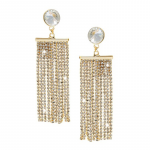
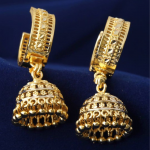
Gold-Plated Circular Jhumkas Earrings
Rs.349.00
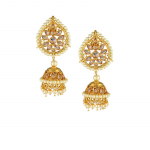
Gold-Plated Dome Shaped Jhumkas
Rs.874.00